On this page
Allied health practices in Australia — physiotherapy, chiropractic, osteopathy, podiatry, and exercise physiology — face a common challenge: too many practitioners, too few points of differentiation. In most Australian suburbs, patients have multiple options for any allied health service within a short drive. Your brand is what makes them choose you and, more importantly, keep coming back.
Q.Why Allied Health Branding Is Different
Allied health practices have unique branding considerations compared to medical or dental practices:
- Self-referral is common — Patients choose you directly, so your brand must speak to patients, not just to referring doctors
- Repeat visits are the business model — Unlike a surgeon who sees a patient for a single episode, allied health practitioners rely on ongoing treatment plans. Your brand needs to build loyalty
- Competition is intense — There are over 38,000 physiotherapists, 6,000 chiropractors, and 3,000 osteopaths registered in Australia
- Perception gaps exist — Many potential patients do not understand the differences between professions or what value allied health offers
The Core Elements of Allied Health Branding
Brand Positioning
Before any design work begins, define your positioning:
Who do you serve?
- Sports athletes (weekend warriors to elite)
- Office workers with postural and ergonomic issues
- Elderly patients with mobility challenges
- Post-surgical rehabilitation patients
- Pregnant and postnatal women
- Children with developmental needs
What makes you different?
- Specific techniques or qualifications (dry needling, Pilates, hydrotherapy)
- Extended hours or weekend availability
- Multi-disciplinary team under one roof
- Special equipment or facilities (gym, pool, reformer studio)
- Location convenience or parking availability
Visual Identity
Allied health brands should feel:
- Professional but approachable — Patients are often in pain or discomfort when they visit. Your brand should feel welcoming, not intimidating
- Active and dynamic — Reflecting movement, health, and vitality
- Modern and clean — Communicating that your practice uses current evidence and techniques
Common colour choices by specialty:
| Specialty | Common Colours | Why |
|---|---|---|
| Physiotherapy | Blue, teal, green | Trust, healing, activity |
| Chiropractic | Green, blue, orange | Natural health, energy, vitality |
| Osteopathy | Earthy tones, sage, navy | Holistic care, professionalism |
| Podiatry | Blue, grey, teal | Clinical trust, precision |
| Exercise Physiology | Orange, green, charcoal | Energy, movement, strength |
Clinic Environment
Your clinic environment is a branding tool:
- Reception area should feel professional and welcoming
- Treatment areas should be clean, modern, and well-equipped
- Exercise and rehabilitation spaces should look functional and motivating
- Consistent brand colours and materials throughout the practice
- Clear signage and wayfinding
Digital Presence for Allied Health Practices
Website Essentials
- Service pages for each treatment type and condition you treat
- Practitioner profiles with qualifications, interests, and personal approach
- Online booking integrated with your practice management software
- Fee information including health fund rebates and Medicare eligibility (for chronic disease management plans)
- Exercise resources or patient education materials (adds value and improves SEO)
- Blog with regular content about conditions, treatments, and wellness
Google Business Profile
For most allied health practices, Google Business Profile is the single most important marketing tool:
- Complete all information fields accurately
- Add professional photos updated quarterly
- Post weekly with health tips, practice news, or service highlights
- Respond to all reviews professionally
- Use the Q&A feature to pre-answer common questions
Social Media
Focus on one or two platforms rather than trying to be everywhere:
- Instagram — Best for practices targeting younger demographics and sports patients. Share exercise demonstrations, team photos, and practice culture
- Facebook — Best for practices serving families and older demographics. Share health tips, community involvement, and practice updates
- LinkedIn — Useful for practices serving corporate clients (ergonomic assessments, workplace health programs)
Need help with this?
Our team specializes in healthcare branding. Get personalized advice in a free 15-minute call.
Book a free 15-minute callMulti-Practitioner and Multi-Discipline Branding
Many allied health practices employ multiple practitioners or offer multiple disciplines (e.g., physiotherapy, exercise physiology, and massage therapy under one roof). Branding considerations:
- Unified brand identity — One brand for the practice, not individual brands for each practitioner
- Consistent patient experience — Every practitioner should deliver the same standard of care and communication
- Clear service differentiation — Help patients understand which service is right for them
- Team culture visibility — Show that your practitioners work collaboratively for patient outcomes
Patient Retention and Referral
Allied health profitability depends on patient retention and word-of-mouth referrals. Branding supports both:
- Consistent experience builds trust — Patients return to practices where they feel confident in the quality of care
- Professional communication builds value — Branded home exercise programs, follow-up emails, and progress reports justify your fees
- Community presence builds awareness — Sponsoring local sports teams, hosting workshops, or participating in community events keeps your brand visible
FAQ
Q:How much should an allied health practice invest in branding?
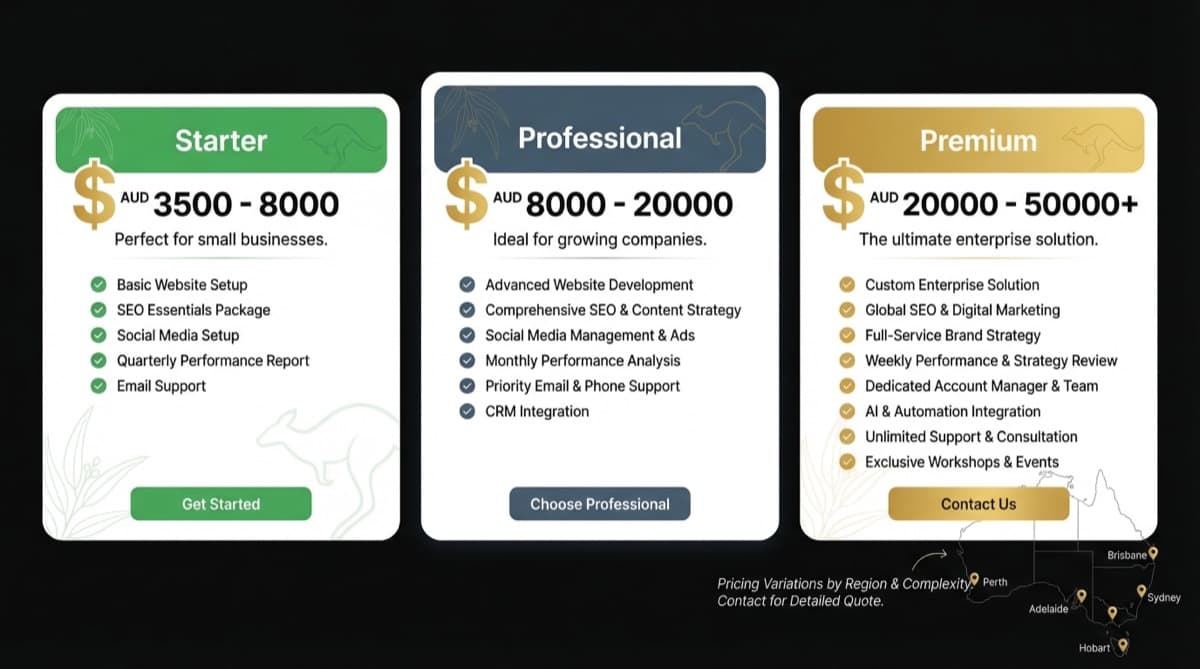
A:practical starting budget for a comprehensive brand (logo, guidelines, website, social media templates) is A$8,000-25,000. Solo practitioners can start with A$4,000-8,000 for essentials. Ongoing marketing should be A$500-2,000 per month depending on practice size and growth goals.
Q:Should I differentiate my practice by specialty or keep it broad?
A:In competitive metro areas, specialisation helps you stand out. "The sports physio clinic in Bondi" is more memorable and searchable than "physiotherapy services available." In regional areas where you may be one of few options, a broader positioning works better.
Q:How do I compete with big-box health fund-owned practices?
A:Your advantage is personalised care, practitioner continuity, and specialised expertise. Brand your practice around the quality of the therapeutic relationship and the depth of your clinical knowledge. Highlight that patients see the same practitioner each visit and receive individualised treatment plans rather than a cookie-cutter approach.