On this page
Q.Should Doctors Use Organic or Paid Marketing?
Doctors should use both — but in the right sequence. Start with organic content to build credibility and trust, then layer in paid marketing to amplify what is already working. Organic builds your foundation. Paid accelerates it. The doctors who fail at paid marketing almost always skip the organic foundation, running ads with no content library to back up their claims.
Q.What Is the Difference Between Organic and Paid Marketing for Doctors?
| Factor | Organic Marketing | Paid Marketing |
|---|---|---|
| Cost | Time investment only | $500-$5,000+/month |
| Time to results | 60-90 days | 7-14 days |
| Trust building | High | Low initially |
| Sustainability | Compounds over time | Stops when budget stops |
| Targeting | Algorithm-dependent | Precise audience control |
| Best for | Authority building | Immediate visibility |
| Ethical risk | Very low | Moderate (depends on ad content) |
Q.When Should Doctors Start With Organic Marketing?
Organic marketing should always come first. It serves as the credibility layer that makes everything else work. When a patient sees your ad and then visits your profile, they need to find a library of helpful, educational content. Without that, paid ads generate clicks but not trust.
What Organic Channels Work Best for Doctors?
Based on data from our 200+ doctor clients:
- 1Instagram (highest ROI): 67% of doctors report this as their #1 patient acquisition channel
- 2Google Business Profile (essential): 82% of patients check Google reviews before booking
- 3YouTube (long-term play): Videos rank in Google search and build deep trust
- 4Website blog (SEO foundation): Drives 20-40% of new patient enquiries for established practices
- 5WhatsApp Status: Underrated channel, especially in India — reaches existing patients who refer others
What Should an Organic Content Strategy Include?
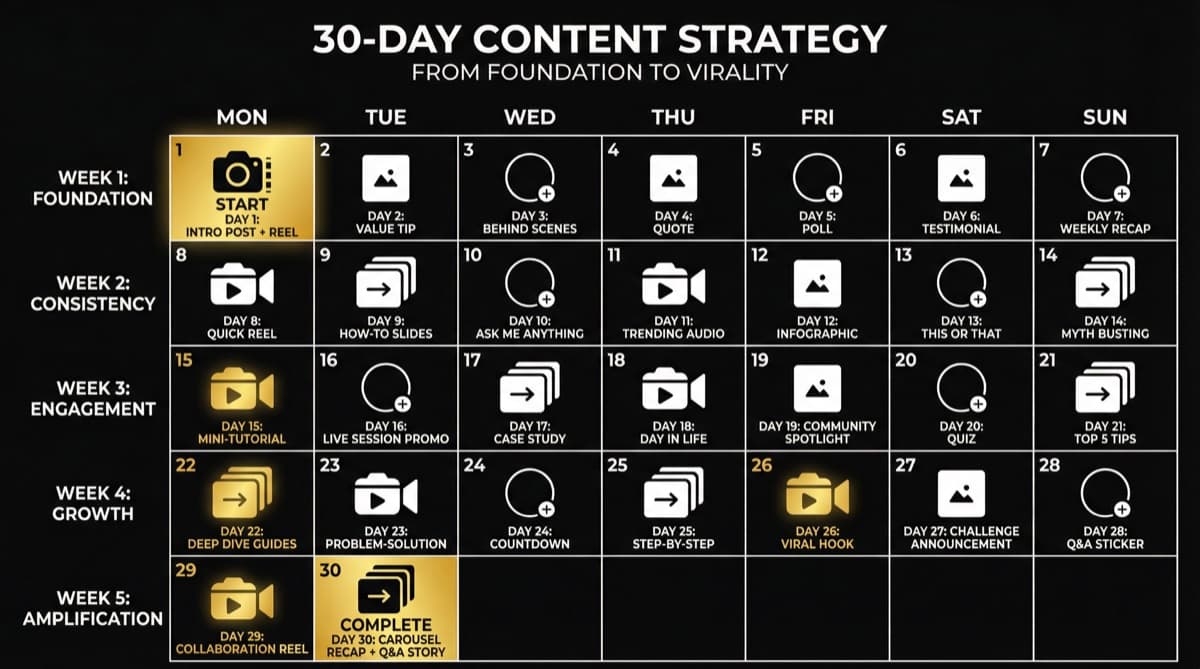
For the first 90 days, focus on building a content library:
- 3-4 Instagram posts per week (mix of carousels, reels, and single images)
- 2-3 Instagram Stories per day (quick tips, polls, Q&As)
- 1 YouTube video per week (optional but powerful)
- 1 blog post per month (for SEO)
- Daily Google Business Profile updates
This volume sounds high, but with batch creation, it takes 3-4 hours per week.
Need help with this?
Our team specializes in healthcare branding. Get personalized advice in a free 15-minute call.
Book a free 15-minute callQ.When Should Doctors Add Paid Marketing?
Add paid marketing after you have at least 30-40 organic posts published and a consistent content rhythm. This typically means month 3-4 of your marketing journey. At that point, you have content that proves you know what you are talking about, and paid ads become a trust accelerator rather than a cold pitch.
What Budget Should Doctors Allocate to Paid Marketing?
| Practice Stage | Monthly Ad Budget | Expected New Patients | Cost Per Patient |
|---|---|---|---|
| New practice (0-1 year) | $500-$1,000 | 10-20 | $25-$100 |
| Growing practice (1-3 years) | $1,000-$3,000 | 20-50 | $20-$60 |
| Established practice | $3,000-$5,000 | 40-100+ | $30-$75 |
| Multi-location/hospital | $5,000-$15,000 | 100-300+ | $15-$50 |
These numbers are based on Indian market averages. In the USA, cost per patient acquisition through paid ads typically ranges from $50-$300 depending on specialty and location.
Which Paid Platforms Work Best for Doctors?
- Google Ads: Best for capturing high-intent searches ("dermatologist near me"). Average conversion rate: 8-12%
- Instagram/Facebook Ads: Best for awareness and education-based marketing. Lower intent but higher volume
- YouTube Ads: Best for complex procedures where patients need education before booking
- Google Local Services Ads: Available in the USA, extremely effective with "Google Guaranteed" badge
Q.What Are the Ethical Boundaries of Paid Marketing for Doctors?
Paid marketing amplifies whatever message you put behind it. This creates ethical responsibilities:
Ethical paid marketing looks like:
- Boosting an educational post about diabetes prevention
- Running a Google Ad that says "Dr. Sharma — Orthopaedic Surgeon in Pune — 15 Years Experience"
- Promoting a video explaining what to expect during cataract surgery
- Advertising a free health screening camp
Unethical paid marketing looks like:
- Running ads claiming "guaranteed results" or "100% success rate"
- Using fear-based messaging to drive urgency
- Advertising fake discounts or limited-time offers on medical procedures
- Targeting vulnerable patient populations with misleading claims
- Running retargeting ads that feel intrusive or exploitative
Q.How Do You Build an Integrated Organic + Paid Strategy?
The most effective approach is the 70/20/10 model:
- 170% Organic Education: Regular, valuable content that builds trust and authority
- 220% Paid Amplification: Boosting your best-performing organic content to reach new audiences
- 310% Direct Paid Ads: Google Ads for high-intent searches, targeted Facebook ads for specific services
This ratio ensures your marketing is fundamentally educational with paid ads serving as a distribution mechanism, not a sales tool.
What Does the Integration Timeline Look Like?
- Months 1-3: 100% organic — build your content library and find your voice
- Months 3-6: 80% organic, 20% paid — start boosting top-performing posts
- Months 6-12: 70% organic, 30% paid — add Google Ads and targeted campaigns
- Month 12+: Optimise based on data — shift budget toward highest-ROI channels
Q.How Do You Measure ROI Without Compromising Ethics?
Track these metrics monthly:
- Patient acquisition cost: Total marketing spend divided by new patients from marketing channels
- Content engagement rate: Percentage of followers who interact with educational content
- Profile visits to appointment ratio: How many profile visitors actually book
- Google review growth: New reviews per month (organic referral indicator)
- Revenue per marketing dollar: Total new patient revenue divided by marketing spend
Healthy benchmarks: patient acquisition cost under $75, engagement rate above 4%, and a 3-5x return on marketing spend within 6 months.
FAQ
Q:Is organic marketing really free?
A:No. Organic marketing costs time, which has real value. A doctor spending 3 hours per week on content creation is investing the equivalent of $300-$1,500 in billable hours (depending on specialty). However, organic content compounds — a post you create today continues generating patients for months or years. Paid ads stop delivering the moment you stop paying.
Q:Can I run Google Ads without a website?
A:Technically yes — Google Ads can link to your Google Business Profile. But we strongly recommend having at least a basic website. Patients who click an ad and land on a professional website convert 3-4x higher than those who land on a Google listing alone. A simple one-page website costs $300-$800 and pays for itself within the first month of advertising.
Q:How do I know if my paid ads are ethical?
A:Apply the "colleague test": would you be comfortable if your most respected medical colleague saw this ad? If yes, it is likely ethical. If you would feel the need to explain or justify it, reconsider. Also ask: does this ad educate the patient, or does it manipulate them? Education-based ads are always ethical. Manipulation-based ads never are.
Q:What is the biggest mistake doctors make with paid marketing?
A:Running paid ads before building organic credibility. When patients click your ad and find an empty or inactive social media profile, trust drops immediately. We see conversion rates 4x higher for doctors who have 50+ educational posts before running their first ad campaign. Build the trust layer first.