On this page
Dermatology is one of the fastest-growing private specialties in the UK. The combination of medical skin conditions (acne, eczema, psoriasis) and cosmetic treatments (laser, peels, injectables) creates a unique branding challenge — your clinic must appeal to patients seeking both medical expertise and aesthetic results.
In cities like London and Manchester, where dozens of dermatology clinics compete within a few square miles, branding is the critical differentiator that determines which clinics thrive and which struggle to fill their appointment books.
Q.How Should a Dermatology Clinic Position Itself?
The first branding decision is where you sit on the medical-cosmetic spectrum. This positioning affects everything — your visual identity, your pricing, your target patient, and your marketing strategy.
Three Dermatology Positioning Options
Medical Dermatology Focus:
- Lead with expertise in skin conditions — acne, eczema, psoriasis, skin cancer
- Emphasise consultant dermatologist credentials and NHS training
- Target patients referred by GPs or seeking specialist medical care
- Brand feel: clinical, authoritative, reassuring
Cosmetic Dermatology Focus:
- Lead with aesthetic treatments — laser, chemical peels, skin rejuvenation
- Emphasise results, before/after transformations
- Target image-conscious patients willing to invest in their appearance
- Brand feel: modern, aspirational, luxury
Integrated Dermatology (Recommended):
- Combine medical expertise with cosmetic offerings
- Position as "skin health experts" — treating conditions and enhancing appearance
- Target the broadest patient base with multiple revenue streams
- Brand feel: expert, modern, holistic
Most successful UK dermatology clinics position themselves as integrated practices — leading with medical credibility while offering cosmetic treatments as a natural extension of skin health.
Q.What Visual Identity Works for Dermatology Clinics?
Dermatology brands should feel clean, scientific, and confident. The visual identity should communicate skin expertise through refined, skin-toned aesthetics.
Colour Palette Recommendations
- Primary colours: Soft rose, warm nude, clean white, sage green
- Accent colours: Copper, gold, or deep teal for sophistication
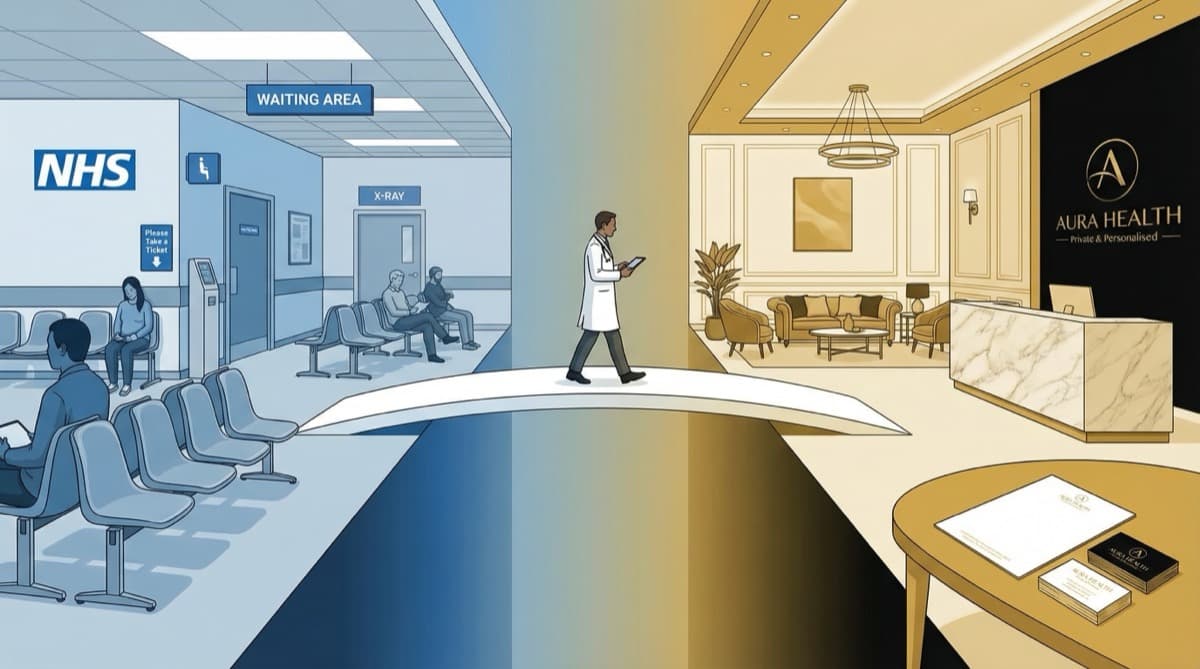
- Avoid: Bright clinical blue (too NHS), neon colours (too casual), red (too aggressive)
The palette should evoke healthy skin — warm, luminous, and natural.
Typography
- Clean sans-serif fonts for a modern, clinical feel
- Consider a refined serif for headings to add a touch of sophistication
- Ensure readability at all sizes — dermatology content can be text-heavy
Photography Style
- Bright, well-lit skin close-ups showing texture and clarity
- Practitioner portraits in a clean, professional setting
- Clinic interior shots highlighting modern equipment
- Before/after images (with consent) are essential for cosmetic services
Q.How Can Dermatology Clinics in London Stand Out?
London has the highest concentration of dermatology clinics in the UK. Standing out requires either hyper-specialisation or brand excellence — ideally both.
Strategies for London Dermatology Clinics
- Specialise — become known for one thing (acne expert, rosacea specialist, skin of colour dermatology)
- Content marketing — publish expert articles and videos that rank for dermatology searches
- PR and media — position your lead dermatologist as a media expert for skin-related stories
- Partnerships — collaborate with beauty brands, wellness centres, and luxury hotels
- Premium experience — invest in clinic design that matches your brand positioning
Strategies for Manchester and Regional Clinics
Regional clinics have the advantage of less competition. Focus on:
- Local SEO dominance — own the "dermatologist [city]" search in your area
- Community presence — sponsor local events, contribute to local publications
- Referral networks — build relationships with local GPs for medical dermatology referrals
- Social media — become the go-to skin expert on Instagram for your region
Need help with this?
Our team specializes in healthcare branding. Get personalized advice in a free 15-minute call.
Book a free 15-minute callQ.What Should a Dermatology Clinic Website Include?
- Condition-specific pages — dedicated pages for each skin condition you treat
- Treatment pages — detailed descriptions of each procedure with pricing
- Practitioner profiles — highlighting dermatology qualifications and GMC registration
- Before and after gallery — categorised by treatment type
- Skin health blog — educational content that drives organic search traffic
- Online consultation booking — with options for virtual and in-person appointments
- Skincare product information — if you sell medical-grade skincare
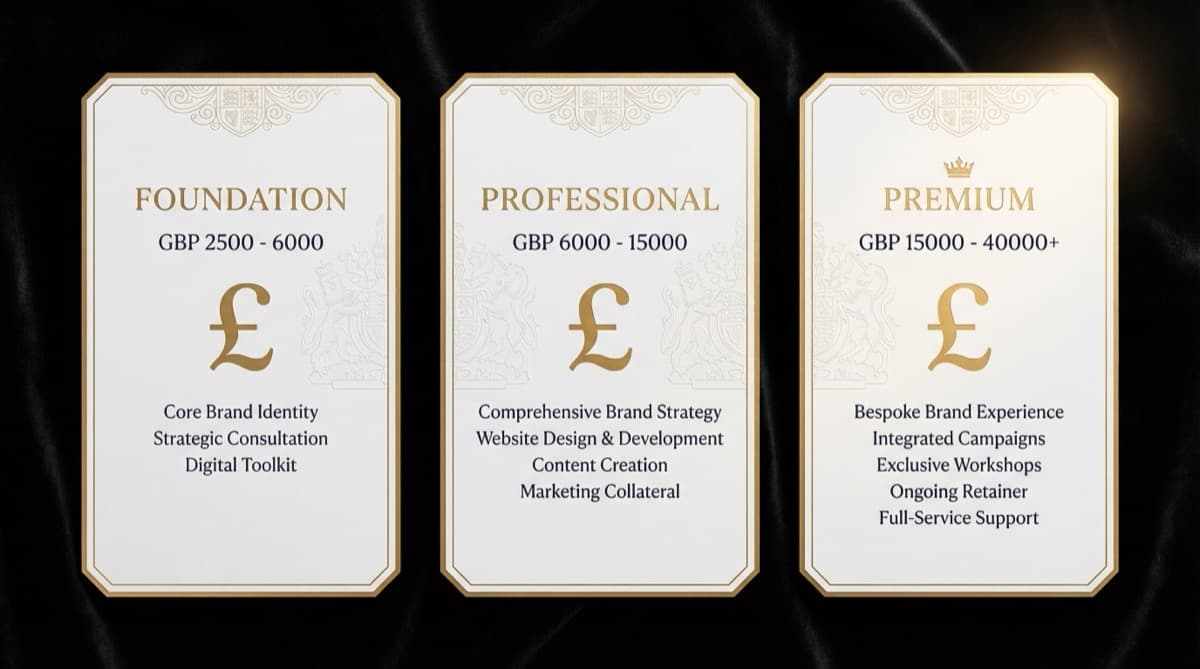
Q.How Much Does Dermatology Clinic Branding Cost?
| Component | Cost Range |
|---|---|
| Brand strategy and positioning | £2,000–£5,000 |
| Visual identity and brand book | £3,000–£7,000 |
| Website design and build | £5,000–£12,000 |
| Photography package | £800–£2,000 |
| Social media setup and templates | £500–£1,500 |
| Total | £11,300–£27,500 |
FAQ
Q:Should a dermatology clinic brand around the doctor or the clinic name?
A:In dermatology, practitioner-led branding is highly effective. Patients seek out individual dermatologists by name and reputation. Build your brand around your lead consultant dermatologist, with the clinic name providing the practice framework.
Q:How important is Instagram for dermatology clinics?
A:Extremely important. Dermatology is inherently visual, and Instagram is the primary platform patients use to evaluate skin clinics. Invest in high-quality skin content — transformation videos, educational reels, and skincare routines — to build a following and drive consultations.
Q:Can a dermatology clinic brand appeal to both NHS referral patients and private cosmetic patients?
A:Yes, but it requires careful brand architecture. Create visual separation between your medical dermatology services and cosmetic offerings. Consider separate sections on your website and distinct marketing approaches for each patient segment.