On this page
Australian patients have high expectations for medical practice websites. They have been trained by seamless experiences on platforms like banking apps, e-commerce sites, and online services to expect speed, convenience, and professionalism from every website they visit — including yours.
Q.What Australian Patients Expect From Your Website
Instant Trust Signals
Within the first five seconds, patients decide whether your practice looks credible. They scan for:
- Professional design — Clean, modern layout that looks like it was designed this decade
- Real photos — Actual images of your clinic and practitioners, not stock photos of models in white coats
- Credentials — AHPRA registration, specialist qualifications, and professional association memberships visible early
- Accreditation — AGPAL or QIP accreditation badges for general practices
- Location clarity — Where you are and how to get there, including parking information
Easy Online Booking
This is now table stakes, not a differentiator. Australian patients expect to book appointments online, 24 hours a day. If your website still says "call to book," you are losing patients to competitors who offer online booking through platforms like HotDoc, HealthEngine, or direct website integration.
Key booking expectations:
- See available appointment times before booking
- Choose a specific practitioner
- Receive instant booking confirmation
- Get SMS or email reminders before the appointment
- Ability to cancel or reschedule online
Fee Transparency
Australian patients want to know what they will pay before they visit. Your website should clearly explain:
- Whether you bulk bill, mixed bill, or are private only
- Standard consultation fees for common visit types
- Medicare rebate amounts and expected gap payments
- Whether you accept specific health funds or DVA
- Payment methods including EFTPOS and health fund claiming on-site
Practices that hide fee information on their website lose patients who simply go to the next practice on Google that shows pricing.
Mobile-First Design
Over 65% of Australians searching for healthcare services do so on mobile devices. Your website must be designed for mobile first, not adapted from desktop as an afterthought. This means:
- Touch-friendly buttons and navigation
- Click-to-call phone numbers
- Maps that open directly in navigation apps
- Forms that are easy to complete on a phone screen
- Fast loading over mobile networks (target under 3 seconds)
Core Pages Every Australian Medical Website Needs
Services Pages
Create individual pages for each major service your practice offers. Each service page should include:
- What the service involves
- Who it is suitable for
- What to expect during and after the appointment
- Fee information or guidance
- How to book
- Relevant Medicare item numbers if applicable
Individual service pages serve two purposes — they help patients find the information they need, and they improve your search engine rankings for specific treatment searches.
Practitioner Profiles
Patients want to know who they will be seeing. Strong practitioner profiles include:
- Professional headshot (consistent style across all practitioners)
- Full name with appropriate titles
- Qualifications and registrations
- Areas of special interest
- Languages spoken
- A brief personal statement that shows personality
- Years of experience and career highlights
Location and Access Page
Especially important for practices in areas with complex access:
- Embedded Google Map
- Detailed directions from major roads and public transport
- Parking information (on-site, street, nearby car parks)
- Wheelchair accessibility information
- After-hours access arrangements
Technical Requirements for Medical Websites
Page Speed
Every additional second of load time reduces patient conversions by approximately 7%. Optimise your website through:
- Compressed and properly sized images
- Efficient code and minimal plugins
- Content delivery network (CDN) for Australian users
- Modern hosting infrastructure (avoid shared hosting)
Security (HTTPS)
All medical practice websites must use HTTPS encryption. This is essential for:
- Patient trust (browsers show "Not Secure" warnings for non-HTTPS sites)
- Google ranking (HTTPS is a confirmed ranking factor)
- Compliance with Australian Privacy Act requirements for handling patient information
- Secure online booking and contact form submissions
Accessibility
Medical websites should be accessible to patients with disabilities, including:
- Alt text on all images for screen readers
- Sufficient colour contrast for readability
- Keyboard navigation support
- Text sizing that can be increased by users
- Clear heading structure for screen readers
Need help with this?
Our team specializes in healthcare branding. Get personalized advice in a free 15-minute call.
Book a free 15-minute callDesign Trends for Australian Medical Websites in 2026
- Warm, approachable colour palettes — Moving away from cold clinical blues toward warmer, more welcoming colours
- Video integration — Short practitioner introduction videos and virtual practice tours
- Telehealth integration — Seamless transition from website to video consultation
- AI-assisted chatbots — For answering common questions outside of business hours
- Health resource libraries — Curated patient education content organised by condition or concern
FAQ
Q:How much should I spend on my medical practice website?
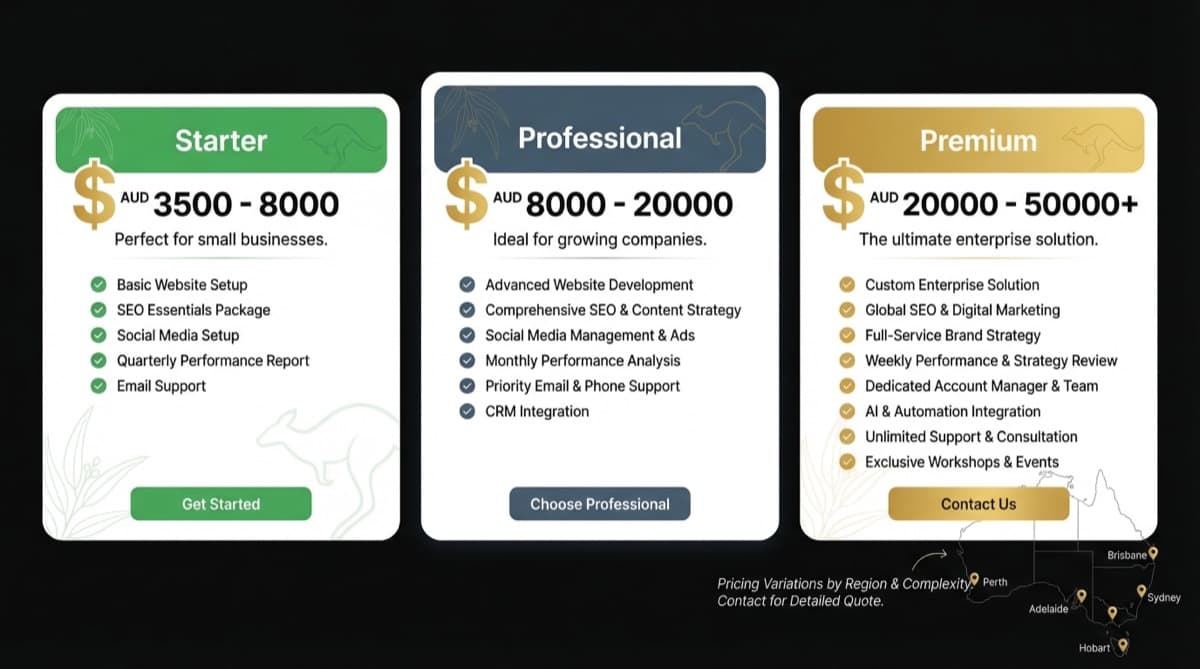
A:For a professional medical practice website in Australia, expect to invest A$8,000-25,000 for a custom mid-range site. Budget websites starting from A$3,000-5,000 can work for solo practitioners, while multi-location practices may need to invest A$30,000-80,000 for a comprehensive digital presence.
Q:How long does a medical website redesign take?
A:typical medical website project takes 8-12 weeks from initial strategy to launch. This includes discovery and planning (2 weeks), design (2-3 weeks), development (3-4 weeks), content creation (concurrent), and testing and launch (1-2 weeks).
Q:Should I build my own website using Wix or Squarespace?
A:DIY website builders can produce acceptable results for budget-conscious solo practitioners, but they come with significant limitations for medical practices — poor SEO capabilities, limited integration with Australian booking platforms, and templates that often look unprofessional. For any practice serious about growth, professional design and development is worth the investment.