On this page
The EMI Trap: Finance Dictates Diagnosis
You buy a Rs 30L ultrasound machine for your clinic (Rs 2.5L/month EMI for 15 months). Now you need to do 20-30 ultrasounds monthly just to break even on EMI. A patient comes in with symptoms that could be diagnosed clinically or with ultrasound. You reach for ultrasound (justified: "better diagnostic clarity"). True reason: EMI needs to be covered. Your diagnostic decision is controlled by equipment finance, not clinical judgment. This happens at scale across Indian clinics: diagnostic procedure volume is dictated by equipment EMI, not patient need.
The structural consequence: equipment finance shapes treatment protocols, inflates procedure volume, and distorts clinical practice.
Q.What Is Structural Mechanism 1: The Equipment Finance Trap (The Economics)?
| Equipment | Cost | Monthly EMI (18 months) | Break-Even Monthly Volume | Typical Patient Need | EMI-Driven Overuse |
|---|---|---|---|---|---|
| Ultrasound Machine | Rs 20-40L | Rs 1.5-2.5L/month | 15-25 procedures/month | 5-10 patients/month need ultrasound | 50-100% overuse (EMI justifies extra scans) |
| ECG Machine | Rs 2-5L | Rs 200-400K/month | 20-40 ECGs/month | 10-20 patients/month need ECG | 30-50% overuse (routine ECG for every patient) |
| Spirometry/PFT Equipment | Rs 8-15L | Rs 700K-1.2M/month | 30-50 tests/month | 10-20 patients/month need testing | 50-100% overuse (done routinely) |
| Dermatology Laser | Rs 25-50L | Rs 2-4M/month | 50-100 procedures/month | 10-20 patients/month candidates | 200-300% overuse (procedures done for cosmetic when not medically necessary) |
| Endoscopy Equipment | Rs 15-25L | Rs 1.2-2M/month | 20-40 endoscopies/month | 5-10 patients/month need endoscopy | 100-200% overuse (screening done routinely) |
| DEXA Machine (Bone Density) | Rs 10-20L | Rs 800K-1.5M/month | 30-50 scans/month | 5-10 patients/month need scan | 100-200% overuse (routine screening) |
What this means: Equipment EMI creates a minimum procedure volume requirement. Your clinic's break-even volume (15-100 procedures/month depending on equipment) often exceeds actual patient need (5-20 procedures/month). The gap is filled by marginally-indicated procedures (patient could manage without, but you recommend it to cover EMI). Result: 30-50% of procedures are EMI-driven, not medically driven.
Q.What Is Structural Mechanism 2: How Equipment Finance Distorts Clinical Practice?
| Clinical Scenario | Medically Justified Approach | EMI-Driven Approach | Patient Impact | Income Impact |
|---|---|---|---|---|
| Chest pain evaluation (General Practitioner) | History + physical exam; ECG if red flags; refer to cardiologist if needed | ECG on every chest pain patient (even non-urgent); may order unnecessary echo/stress test if equipment available | Overdiagnosis; patient anxiety ("abnormal ECG"); unnecessary cardiology referral | Rs 500 per ECG × 50 unnecessary scans/month = Rs 25K extra monthly income |
| Respiratory symptoms (Pulmonologist) | Clinical exam; spirometry if indicated (asthma, COPD suspected) | Spirometry on every cough patient; routine screening on all patients | Overuse of equipment; unnecessary diagnosis of "mild COPD"; patient sells inhaler unnecessarily | Rs 1K per spirometry × 30 unnecessary tests/month = Rs 30K extra monthly |
| Thyroid symptoms (Endocrinologist) | TSH blood test; ultrasound if TSH abnormal or palpable nodule | TSH + ultrasound on every thyroid patient routinely | Unnecessary ultrasound (50% had normal TSH, no indication for imaging); patient anxiety | Rs 1.5K per ultrasound × 20 unnecessary scans/month = Rs 30K extra |
| Cosmetic dermatology (Dermatologist) | Assess patient desire + skin condition; recommend if clear benefit | Aggressive upsell of laser for all pigmentation, scars, fine lines ("maintenance treatments") | Over-treatment; patient spends Rs 5-20L annually on elective procedures | Rs 5-15K per laser procedure × 60 procedures/month (vs. 20 medically justified) = Rs 2.4L extra monthly |
| Routine check-up (General Practice) | History, exam, basic vitals; limited testing if any | Full panel: ECG, ultrasound abdomen, respiratory function tests (all "routine preventive") | Overdiagnosis of incidental findings; unnecessary specialist referrals; patient over-medicalization | Rs 5-10K per "routine preventive package" × 50 patients/month (unjustified) = Rs 2.5-5L extra monthly |
Reading this table: Equipment EMI drives 30-50% of procedure volume above medical justification. The income impact: Rs 25K-2.5L extra monthly revenue per equipment. The patient impact: over-diagnosis, over-treatment, unnecessary anxiety, unnecessary medical expense. The structural issue: your equipment EMI creates financial incentive to over-diagnose and over-treat.
Q.What Is Structural Mechanism 3: The Opportunity Cost (What Equipment Prevents You From Doing)?
| Investment | Capital Required | Monthly Income Potential | Clinical Focus | Alternative Use of Capital |
|---|---|---|---|---|
| Equipment (Ultrasound Rs 30L) | Rs 30L upfront | Rs 2.5L/month EMI = Rs 30L/year revenue (after operating costs, net Rs 10-15L/year) | Locked into ultrasound provision; forced to do imaging even when not indicated | Rs 30L invested in marketing, practice expansion, staff training = Rs 15-20L/year recurring revenue (non-equipment dependent) |
| Equipment (Dermatology Laser Rs 40L) | Rs 40L upfront | Rs 4L/month EMI = Rs 48L/year revenue target (requires volume overuse to achieve) | Locked into laser cosmetics; forced to upsell procedures to justify EMI | Rs 40L invested in multi-city clinic network = Rs 25-30L/year distributed network revenue (less risky) |
| Equipment (Endoscopy Rs 20L) | Rs 20L upfront | Rs 1.5L/month EMI = Rs 18L/year revenue target | Locked into endoscopy; forced to screen patients routinely to hit volume | Rs 20L invested in telemedicine platform / healthtech advisory = Rs 15-25L/year recurring passive income |
What this means: Equipment locks you into a revenue model. Rs 30L ultrasound machine requires Rs 30L annual revenue to justify (just to break even on EMI, ignoring operating costs). That same Rs 30L invested in business model diversity (multi-specialty clinic, healthtech, advisory) generates similar revenue with lower procedure pressure and lower patient over-treatment.
Need help with this?
Our team specializes in healthcare branding. Get personalized advice in a free 15-minute call.
Book a free 15-minute callQ.What Is Structural Mechanism 4: The Debt Cycle (Why Equipment Finance Becomes Trap)?
| Year | Equipment Value | Outstanding Debt | Monthly EMI | Required Monthly Revenue (from equipment) | Typical Monthly Revenue | Income Deficit | Solution |
|---|---|---|---|---|---|---|---|
| Year 0 (Equipment purchase) | Rs 30L | Rs 30L | Rs 2.5L | Rs 2.5L | Rs 2-2.5L (new equipment, low volume initially) | Rs 0-500K shortfall | Supplement with other income or reduce clinic costs |
| Year 1 (Month 6) | Rs 25L (depreciation) | Rs 15L (6 payments) | Rs 2.5L | Rs 2.5L | Rs 2-2.5L (volume ramping) | Rs 0-300K shortfall | Increase procedure volume (upsell, expand indications) |
| Year 2 | Rs 20L (depreciation) | Rs 7.5L (remaining) | Rs 2.5L | Rs 2.5L | Rs 2-2.5L (mature volume) | Balanced or slight surplus | Maintain current procedure volume |
| Year 3-4 (EOL) | Rs 5-10L (near EOL) | Rs 0 (paid off) | Rs 0 | Rs 0 (debt paid off) | Rs 2-2.5L (but equipment now aging, needs replacement soon) | Surplus for 6-12 months, then pressure returns | Save for next equipment cycle or pivot away |
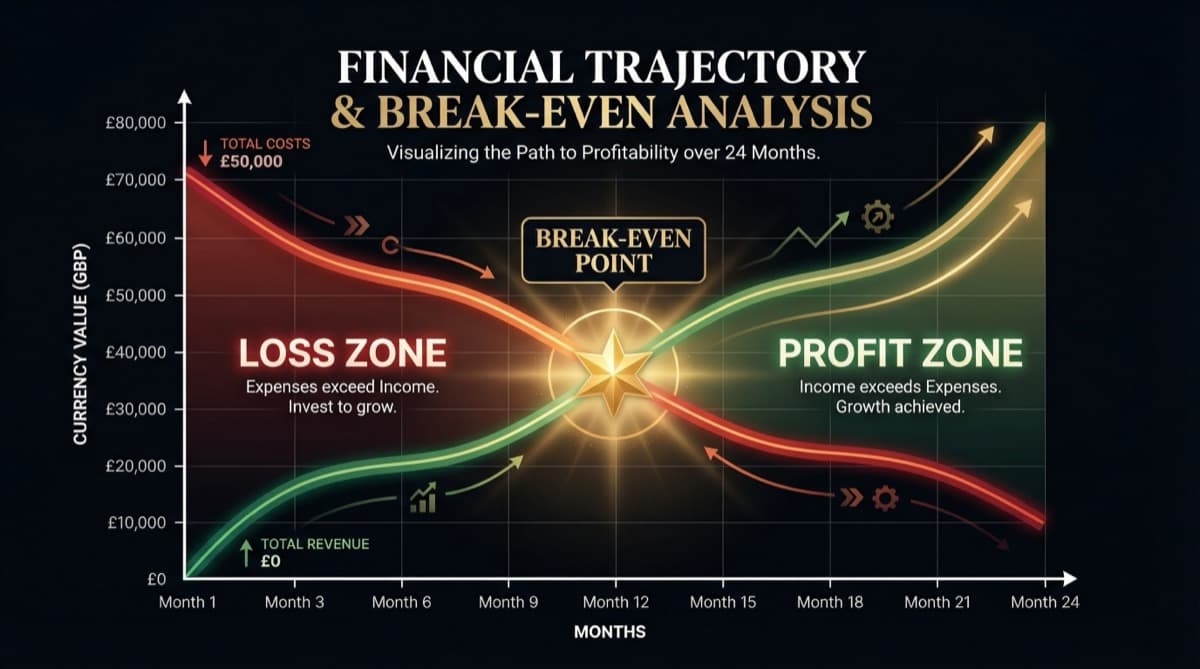
Reading this cycle: Equipment creates 2-3 year revenue pressure. Year 1-2: need to hit revenue target or go into deficit. Year 3-4: debt paid off, revenue surplus, but equipment nearing end-of-life. Rinse, repeat. Most doctors stay trapped in this cycle (old equipment worn out, buy new equipment, debt cycle resets). The trap: you never truly own the equipment (as soon as you pay off one, next one needs purchase).
Q.What Is Structural Mechanism 5: The Clinical Practice Distortion (How Equipment Controls Medicine)?
| Clinical Practice Element | Without Equipment | With Equipment (EMI Active) | Pressure on Doctor |
|---|---|---|---|
| Diagnostic Threshold | High (only test if indicated; must justify clinically) | Low (test everything; EMI requires volume) | Pressure to lower diagnostic threshold |
| Procedure Frequency | Evidence-based (screening tests done per guidelines, if at all) | Volume-based (screening tests done routinely; guidelines interpreted aggressively) | Pressure to interpret guidelines loosely (favor more testing) |
| Patient Counseling | Evidence-centered ("You don't need this test"; honest assessment) | Revenue-centered ("Let's do this test to be thorough"; downplays need for testing) | Pressure to oversell procedures to patients |
| Referral Pattern | To specialists only when medically indicated | To in-clinic procedures first (before specialist); maximizes internal revenue | Pressure to do low-margin procedures in-clinic instead of referring to specialist |
| End-of-Life Equipment Decision | Discard when useful life ends; buy new only if needed | Discard when debt paid off, immediately buy replacement (keep EMI active indefinitely) | Pressure to stay on equipment treadmill |
What this means: Equipment EMI is a self-perpetuating system. You buy equipment (EMI pressure), increase procedure volume (distorts practice), pay off equipment (briefly cash-positive), buy new equipment (EMI pressure returns). Most doctors never fully escape this cycle. The clinical consequence: your practice protocol is dictated by equipment finance, not best practice guidelines.
Frequently Asked Questions
Q: Should I buy expensive equipment for my clinic?
A: Only if: (1) Equipment has clear clinical value (not cosmetic/elective); (2) Patient need justifies 50%+ of equipment capacity (you already have existing patient base that needs it); (3) Capital can be raised from capital reserve, not borrowed EMI (EMI itself is the trap). Example: if your clinic sees 50 patients/month and 20-30 need ultrasound, buy ultrasound (clear need, justifies 50%+ capacity). If you see 20 patients/month and 3 need ultrasound, don't buy (creates overuse pressure). General rule: if equipment sits idle >30% of potential capacity, financial pressure will drive overuse.
Q: What's the alternative to equipment financing?
A: (1) Start without equipment; refer procedures to diagnostic centers/specialists; collect referral commission. (2) Share equipment with neighboring clinic (split cost, split EMI, split usage). (3) Partner with diagnostic center; they provide equipment, you do procedures, split revenue. (4) Invest capital in non-equipment revenue (staff, marketing, clinic expansion, advisory roles). Equipment has lowest ROI and highest usage pressure of any clinic investment.
Q: Is routine screening on all patients ever justified?
A: Rarely (only if: population has high disease prevalence, screening guideline-supported, patient consents to potential false positives). Most "routine screening" is marketing disguised as prevention. True screening (asymptomatic population at-risk) is different from case-finding (testing symptomatic patients). For symptomatic patients, you don't need equipment; clinical judgment suffices. Equipment drives case-finding (testing everyone), not true screening (testing at-risk populations).
Q: How do I escape the equipment EMI trap if I'm already in one?
A: (1) Use procedure volume from EMI-justified patients only; accept revenue loss if you have to. (2) Hire associate doctor to split EMI burden across two salary sources. (3) Partner with another clinic to share equipment and EMI cost. (4) Pivot practice toward non-equipment-dependent model (advisory, telemedicine, education). (5) Plan exit strategy: sell clinic with equipment to buyer; extract capital; start fresh without equipment. Most doctors stay trapped until retirement; pivoting requires courage.
Planning to launch your clinic? A strong brand identity is your foundation. See our Brand Sprint package at futurise.studio/services or view our portfolio at futurise.studio/portfolio