On this page
Your doctor prescribes a branded generic instead of the cheapest equivalent because of three structural forces: pharma company relationships (MR visits, samples, conferences), genuine quality concerns in India's generic market (variable bioavailability across manufacturers), and a healthcare system that provides no independent, trustworthy comparative data on generic equivalence. The same molecule — say, Atorvastatin 10mg — is available from 50+ Indian manufacturers at prices ranging from Rs 2 to Rs 15 per tablet. Your doctor's choice between them is shaped more by the pharma incentive architecture than by comparative clinical data that usually doesn't exist.
The Price Gap: Same Molecule, Different Price
Atorvastatin 10mg: Cheapest Generic Rs 2/tablet, Mid-Range Branded Generic Rs 5-8/tablet, Premium Brand Rs 12-15/tablet, Price Difference 6-7x. Metformin 500mg: Cheapest Generic Rs 1/tablet, Mid-Range Rs 3-5/tablet, Premium Rs 8-10/tablet, Difference 8-10x. Amlodipine 5mg: Cheapest Generic Rs 1.5/tablet, Mid-Range Rs 3-6/tablet, Premium Rs 10-12/tablet, Difference 7-8x. Pantoprazole 40mg: Cheapest Generic Rs 2/tablet, Mid-Range Rs 5-8/tablet, Premium Rs 12-15/tablet, Difference 6-7x. Azithromycin 500mg: Cheapest Generic Rs 8/tablet, Mid-Range Rs 20-35/tablet, Premium Rs 50-60/tablet, Difference 6-7x.
Monthly impact for a chronic disease patient on 3 medications:
- Cheapest generics: Rs 150-300/month
- Mid-range branded: Rs 500-900/month
- Premium brands: Rs 1,000-2,000/month
Over a year, the difference between cheapest generic and premium branded for the same treatment can be Rs 10,000-20,000.
Q.Why Doctors Prescribe Branded Over Generic: The Three Structural Forces?
Q.What Is Force 1: Pharma Company Engagement (The Relationship Factor)?
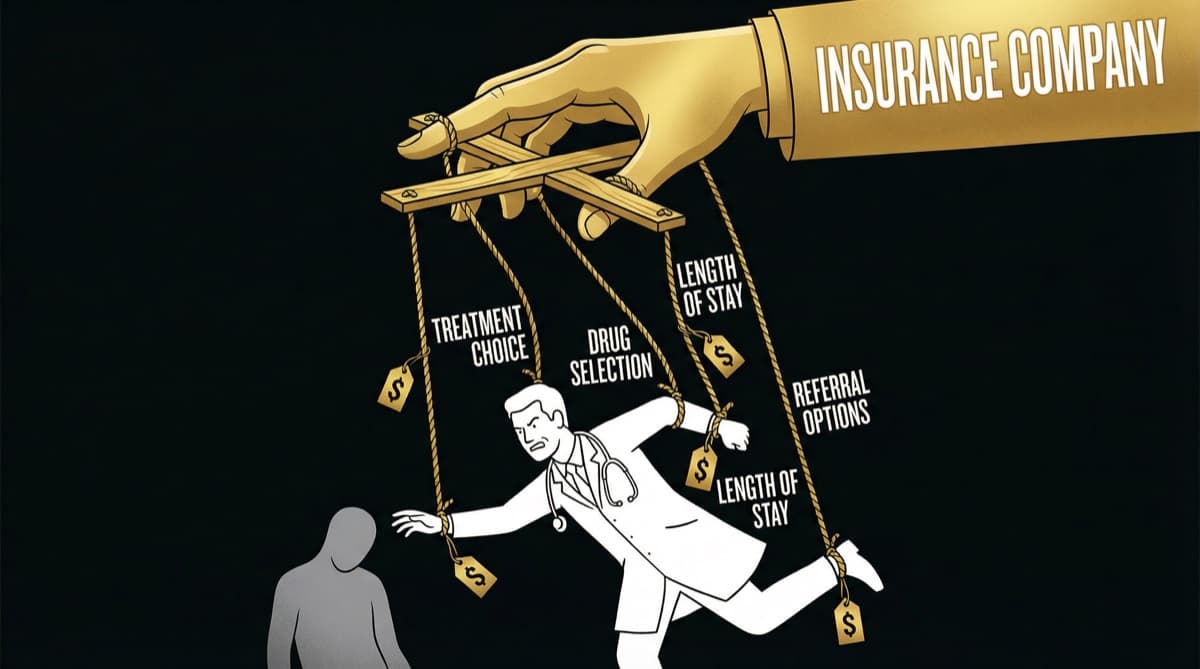
India has 5-6 lakh medical representatives visiting doctors daily. Each MR's job is to ensure their company's brand is "top of mind" when the doctor writes a prescription for that molecule.
How it works: When a doctor sees 30 patients in the afternoon and writes a prescription for hypertension, they don't evaluate 50 brands of Amlodipine. They write the brand they remember — which is the one whose MR visited yesterday with samples, the one whose name appears on the pen on their desk, the one whose clinical brochure sits in their consultation room.
This isn't bribery in most cases — it's the same brand recall mechanism that makes you choose a well-known cola over a generic cola. But when the price difference is 7x, brand recall has real financial consequences for patients.
Q.What Is Force 2: Quality Variability (The Genuine Concern)?
India's generic drug market has real quality issues that make blanket "prescribe generic" recommendations problematic:
Bioavailability variations: Different manufacturers of the same molecule may have different bioavailability — meaning the body absorbs different amounts of the active ingredient. For narrow therapeutic index drugs (where the difference between therapeutic dose and toxic dose is small), this matters clinically.
Manufacturing quality variance: India's drug regulatory system (CDSCO, state drug controllers) has documented cases of substandard and spurious drugs. High-profile incidents of contaminated medications have reinforced doctor distrust of unknown generic manufacturers.
No accessible comparative data: Unlike the US (where FDA's Orange Book provides bioequivalence data for approved generics), India lacks a comprehensive, publicly accessible database comparing generic manufacturers' products. Doctors can't easily verify whether "Generic Manufacturer X" meets the same standards as "Established Brand Y."
The reasonable doctor's dilemma: A doctor who prescribes the cheapest generic and the patient doesn't improve (possibly due to bioavailability issues) faces clinical and reputational consequences. The "safe" choice is a brand they trust — even if that trust is partly manufactured by pharma marketing rather than comparative data.
Need help with this?
Our team specializes in healthcare branding. Get personalized advice in a free 15-minute call.
Book a free 15-minute callQ.What Is Force 3: System Design (No Infrastructure for Generic Prescribing)?
Even when doctors want to prescribe generically, the system makes it difficult:
Pharmacy substitution unpredictability: If you write "Atorvastatin 10mg" (generic name), the pharmacist dispenses whichever brand gives them the highest margin — which may be the lowest quality option. The doctor loses control over which product the patient actually receives.
Jan Aushadhi stores are limited: The government's Jan Aushadhi scheme sells quality-tested generics at affordable prices, but stores are concentrated in urban areas and stock a limited formulary. Most patients don't have convenient access.
Patient expectations: Patients often associate higher-priced medicine with better quality. A doctor prescribing a Rs 2 tablet when the patient expects a Rs 12 tablet may face pushback or the perception of providing inferior care.
Q.What Is the NMC Generic Prescription Mandate (Proposed, On Hold)?
NMC's 2023 regulations proposed mandatory generic prescribing — all prescriptions must use generic names, not brand names. This was put on hold in August 2024 along with the rest of the 2023 regulations.
If enacted, it would:
- Force doctors to write "Atorvastatin 10mg" instead of "Lipitor" or "Atorva"
- Give pharmacists the choice of which brand to dispense
- Potentially reduce patient costs by 50-70% if pharmacists stock affordable generics
- Disrupt the entire branded generic marketing ecosystem
Challenges to implementation:
- Pharmacist incentives may favor their highest-margin brand, not the cheapest option
- Quality assurance for pharmacy-selected generics remains unresolved
- The pharma industry — India's most powerful healthcare lobby — opposes the mandate
Q.What Would Actually Fix This?
- 1A public bioequivalence database. Create an Indian equivalent of the FDA's Orange Book — a publicly accessible, independent database of approved generics with verified bioequivalence data. This gives doctors the information needed to prescribe generics confidently.
- 1Strengthened quality enforcement. Increase CDSCO inspection capacity, implement random market testing of generics, and publicly blacklist manufacturers caught producing substandard drugs. Quality confidence is the prerequisite for generic prescribing.
- 1Jan Aushadhi expansion. Scale Jan Aushadhi stores from 12,000+ to universal access. Ensure they stock complete formularies for chronic disease management.
- 1Physician education independence. Fund CME programs independently of pharma companies. When doctor education isn't pharma-funded, prescription decisions become less pharma-influenced.
Frequently Asked Questions
Q: Why do doctors prescribe branded medicine instead of generic?
A: Three structural reasons: (1) pharma company marketing creates brand recall and loyalty, (2) genuine quality variability in India's generic market makes doctors cautious about unknown manufacturers, and (3) the healthcare system lacks independent comparative data and reliable pharmacy substitution mechanisms that would make generic prescribing safe and practical.
Q: Are generic medicines as effective as branded medicines?
A: If they're bioequivalent (same absorption, same blood levels), yes. The challenge in India is verifying bioequivalence — there's no publicly accessible database comparing all manufacturers. Established generics from reputable manufacturers are generally reliable. Unknown brands from unaudited manufacturers carry higher uncertainty.
Q: Can I ask my doctor to prescribe generic medicines?
A: Yes. You can request generic prescriptions and fill them at Jan Aushadhi stores. However, be aware that if your pharmacist selects an unknown generic, quality may vary. Discuss with your doctor which manufacturers they trust if you want to switch from branded to generic.
Q: Will generic prescribing save patients money?
A: Significantly — branded generics cost 2-7x more than cheapest equivalents. For chronic disease patients on multiple medications, switching to quality generics could save Rs 10,000-20,000 annually without compromising treatment.
Q: Is India's generic drug quality actually a problem?
A: It's a real but nuanced concern. India is the "pharmacy of the world" and produces high-quality generics for global export. However, domestic quality enforcement is less stringent than export standards. The solution is better domestic quality enforcement, not blanket distrust of generics.
futurise. builds premium healthcare brands in 48 hours. Learn more at futurise.studio