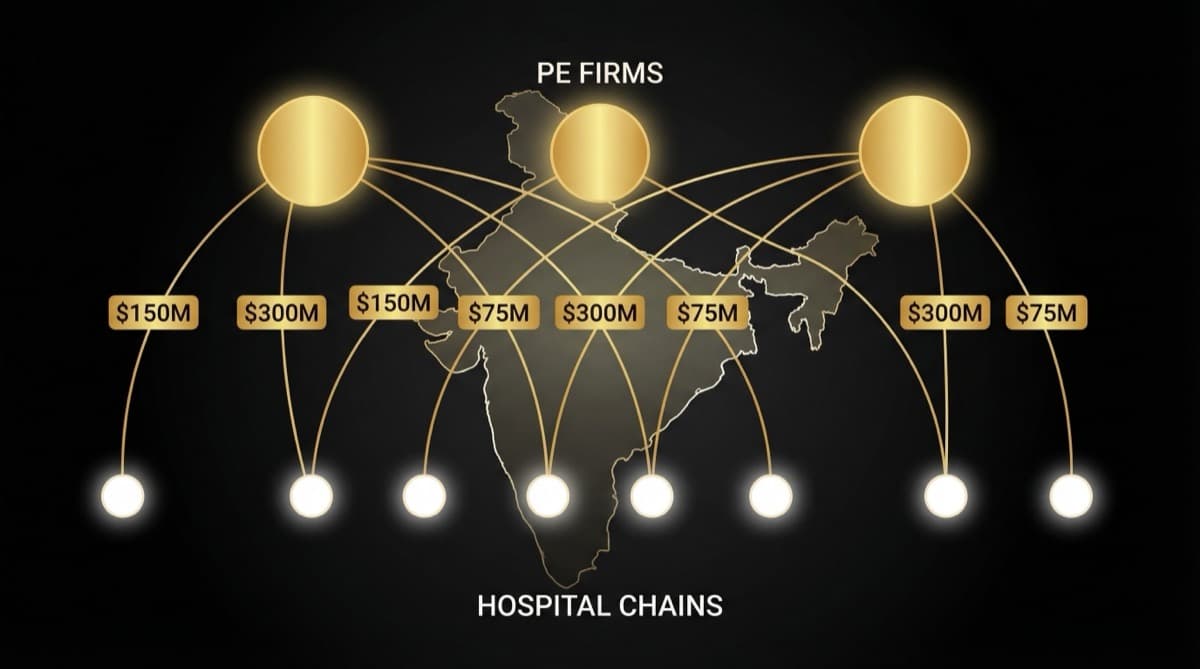
As of 2026, at least 8 major global private equity firms hold controlling or significant stakes in India's largest hospital chains, collectively managing over 150 hospitals and 40,000+ beds. Over the last five years, PE and VC firms invested $15.5 billion into Indian healthcare — with $4.96 billion going directly into hospital acquisitions between 2022 and 2024. Here is every major PE-hospital ownership relationship in India right now.
What Does the Complete PE-Hospital Ownership Map Look Like?
Here is every major PE-hospital ownership relationship in India. Blackstone | Quality Care India (Care Hospitals + KIMS Health + Aster DM India) | 73-80% | ~$5 billion (merged entity EV) | 10,150+ across 38 hospitals | Largest PE-backed hospital platform in India post Aster-Care-KIMS merger Temasek | Manipal Health Enterprises | 59% | $2 billion | 8,300+ across 29 hospitals | Singapore sovereign wealth fund; Manipal subsequently acquired AMRI and Sahyadri KKR | Healthcare Global Enterprises (HCG) | 54-77% | $400 million (CVC exit) | Cancer specialty chain | India's largest specialty cancer care network KKR | Baby Memorial Hospital | Controlling stake | ~Rs 2,000 crore | Kerala-based multi-specialty | Acquired July 2024 TPG Growth | Motherhood Hospitals | Majority stake | Undisclosed | Women and children specialty chain | Super-specialty focus on maternal and pediatric care Baring Private Equity | Aster DM Healthcare (previously) | Significant stake | — | — | Part of early Aster investment cycle GIC (Singapore) | Fortis Healthcare | Significant stake | — | 4,500+ beds | Co-investor alongside IHH Healthcare (Malaysia) IHH Healthcare (Mitsui-backed) | Fortis Healthcare | ~31% | $1.1 billion | 28 hospitals | Malaysian healthcare giant, backed by Japanese PE Quadria Capital | Various healthcare platforms | Growth stakes | — | — | Healthcare-focused PE across Asia Everstone Capital | Previously in Sahyadri, now Evercare | Various | — | — | Part of Aster-Care-KIMS merged platform
How Does PE Ownership Change What Happens Inside the Hospital?
Understanding who owns your hospital is not just a business trivia question — it directly affects three things that matter to every doctor on the floor.
- 1Your Compensation Structure
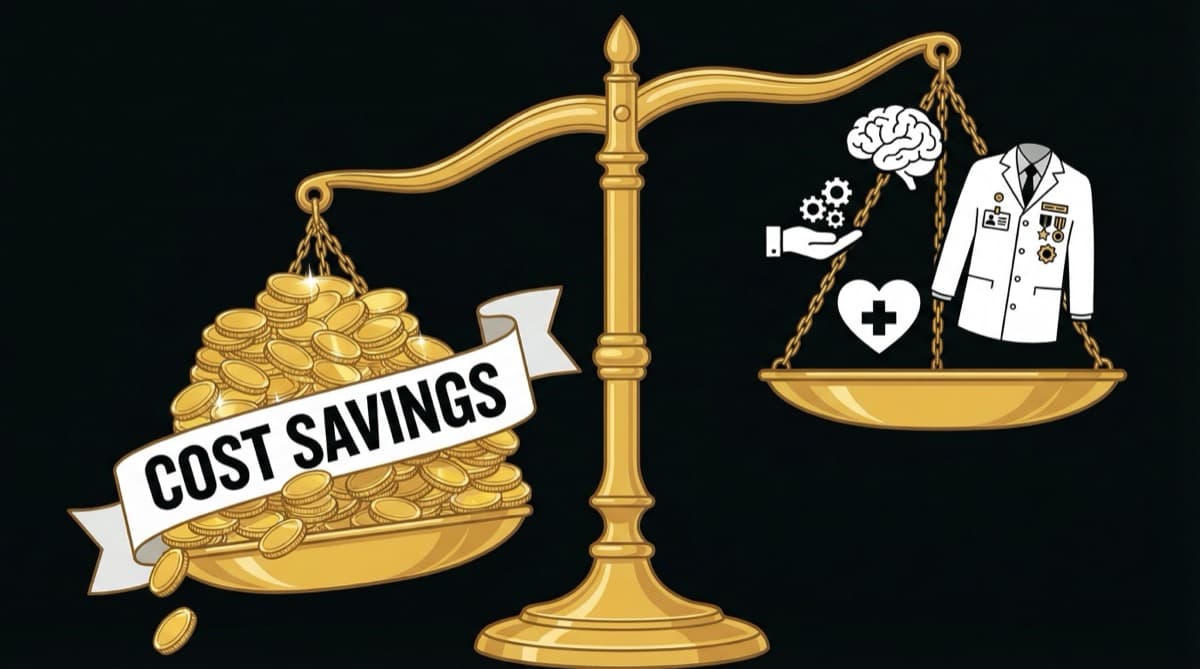
PE firms acquire hospitals at 15-28x EBITDA multiples and target exits at higher multiples. Closing that gap requires margin improvement, and doctor compensation — approximately 50% of total hospital operational costs — is the first lever. Revenue-share models (30-60% of billings) get replaced with fixed salary plus throughput bonuses. At Max Healthcare under KKR, EBITDA margins rose from 9.7% to 27.2% in three years through exactly this mechanism.
- 1Your Employment Contract
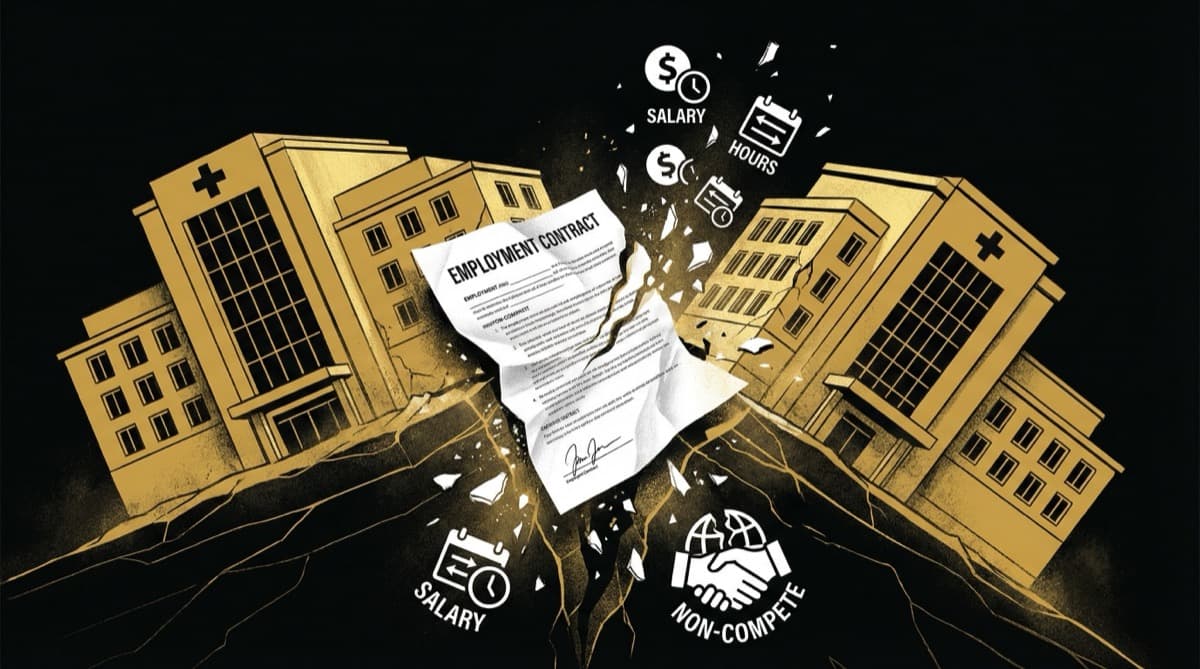
Post-acquisition, hospitals introduce standardized compensation bands, tighter non-compete clauses (typically 10-15 km radius for 1-2 years), and performance metrics tied to bed occupancy and ARPOB (Average Revenue Per Occupied Bed) rather than clinical outcomes. The contract you signed with a doctor-promoter hospital bears little resemblance to what a PE-backed administration offers.
- 1Your Clinical Autonomy
PE-backed hospitals operate on protocol-driven care pathways and package-based pricing. Clinical decisions are increasingly filtered through financial parameters — pre-authorization requirements, standardized treatment packages, and discharge metrics that prioritize bed turnover.
How Large Is PE Ownership in Indian Healthcare?
The numbers tell the structural story:
- $15.5 billion — Total PE/VC investment in Indian healthcare over the last 5 years
- $4.96 billion — PE investment specifically in hospital acquisitions (2022-2024)
- $6.74 billion — Hospital M&A deal value (2022-2024)
- 80% — Share of total healthcare spending that goes through the hospital segment
- 28x EBITDA — Average valuation multiple for hospital acquisitions in India
- 35x EBITDA — Premium multiples for high-ARPOB facilities
The hospital sector is projected to grow at 8% CAGR until 2032, which means more PE capital is coming — not less. Every major hospital chain acquisition leads to further consolidation of smaller regional hospitals into PE-backed platforms.
Why Does the PE-Hospital Ownership Map Keep Changing?
PE ownership is not static. It follows a cycle:
Entry (Year 0-2): PE firm acquires controlling stake, brings in professional management, promises continuity to doctors and patients.
Optimization (Year 2-5): Operational restructuring begins — compensation rationalization, staffing optimization, ARPOB improvement, bed utilization targets. This is where EBITDA margins expand from 10-15% to 25-30%.
Consolidation (Year 3-7): The PE-backed platform acquires smaller hospitals. Manipal acquired AMRI and Sahyadri after Temasek's investment. Blackstone merged Care, KIMS, and Aster India into a single platform.
Exit (Year 5-8): PE firm exits via IPO, secondary sale, or strategic buyer. KKR exited Max Healthcare with a 5x return. CVC exited HCG by selling to KKR. The new buyer restarts the cycle.
This means the hospital you work in today may have a different PE owner in 5 years — and each transition brings a new round of contract renegotiation.
What Does PE Hospital Ownership Mean for You as a Doctor?
If you're a practicing doctor in India, check whether your hospital chain appears on this list. If it does, understand that your employer's primary accountability is to the PE fund's return expectations — not to the clinical mission statement on the hospital's website.
This doesn't make PE-backed hospitals bad. They bring capital, infrastructure, technology, and operational discipline. But the incentive structure is different from a doctor-promoter hospital, and that difference shows up in your contract, your schedule, and your compensation.
Frequently Asked Questions
Is Manipal Hospital owned by private equity? Yes. Singapore's Temasek Holdings owns a 59% controlling stake in Manipal Health Enterprises, acquired for $2 billion in 2023. Manipal operates 29 hospitals with 8,300+ beds and subsequently acquired AMRI and Sahyadri Hospitals.
Which PE firm owns Care Hospitals? Blackstone acquired Care Hospitals as part of its investment in Quality Care India. Care Hospitals is now part of the merged Aster-Care-KIMS platform, the largest PE-backed hospital network in India with 38 hospitals and $5 billion enterprise value.
Does KKR still own Max Healthcare? No. KKR exited Max Healthcare in August 2022, selling its 27.5% stake for Rs 9,185 crore — a 5x return on its original investment. KKR currently owns Healthcare Global Enterprises (HCG) and Baby Memorial Hospital in India.
Are PE-owned hospitals profitable? Extremely. Top PE-backed chains report EBITDA margins of 25-30%: Manipal at 29.8%, KIMS at 28-30%, Max at 27.2%, and Fortis expanding to 24%. These margins have been achieved primarily through operational restructuring, including doctor compensation rationalization.
How many hospitals in India are PE-backed? An exact count is difficult because PE firms continuously acquire smaller facilities, but the major PE-backed platforms alone operate 150+ hospitals with 40,000+ beds. When including minority stakes and growth investments, PE capital touches a significant portion of India's organized hospital sector.
futurise. builds premium healthcare brands in 48 hours. Learn more at futurise.studio