On this page
A female gynecologist with 10 years of practice earns Rs 2.5L/month while her male colleague in orthopedics earns Rs 4L. This isn't sexism — it's structural. 87% of female doctors report mental exhaustion vs 77% male. Only 20% of clinic owners are women despite 50% of medical graduates being female. This isn't about competence. It's about how the healthcare market sorts people.
The Specialty Sorting Structure
Female doctors face a choice architecture that funnels them into specific fields. It's not explicit — it's structural.
Gynecology: 65% female, Average monthly income Rs 1.8L. Pediatrics: 60% female, Average Rs 1.5L. Dermatology: 50% female, Average Rs 2.2L. Surgery (General): 20% female, Average Rs 3.2L. Orthopedics: 8% female, Average Rs 3.5L. Cardiology: 12% female, Average Rs 4.2L.
Women concentrate in gynecology where income is lower than surgical specialties. The choice architecture: schedule predictability (worth Rs 50-80K/month in stability), family planning penalty (worth Rs 60-100K/month in earnings loss because surgery requires continuous skill maintenance), and physical demand (worth Rs 40-60K/month in burnout cost).
The structural trap: Fields that accommodate motherhood pay less. Not because they're easier — because the market assumes you'll leave.
Q.What Is The Practice Ownership Gap?
Solo clinic female ownership: 12%. Average monthly income for owner Rs 2.8L vs non-owner Rs 1.5L — 87% gap. Multi-specialty center female ownership: 5%. Hospital employee: 40% female but average income gap only 8%.
Why only 20% of clinic owners are women:
Capital access: Banks don't lend to women without male co-signer. Women need 2-3 years more to raise Rs 5L clinic startup.
Family expectations: "What if you have kids?" is asked of women, not men. Women delay clinic setup 3-4 years longer.
Location constraints: Female solo practice in Tier-2 town raises safety concerns. Women forced into employee model, losing roughly 60% income.
Referral networks: Male doctors get referred cases through sports clubs, evening gatherings, college alumni groups. Women excluded from these. Women build referral networks 2-3 years slower.
Q.What Is Invisible Labor and The Burnout Equation?
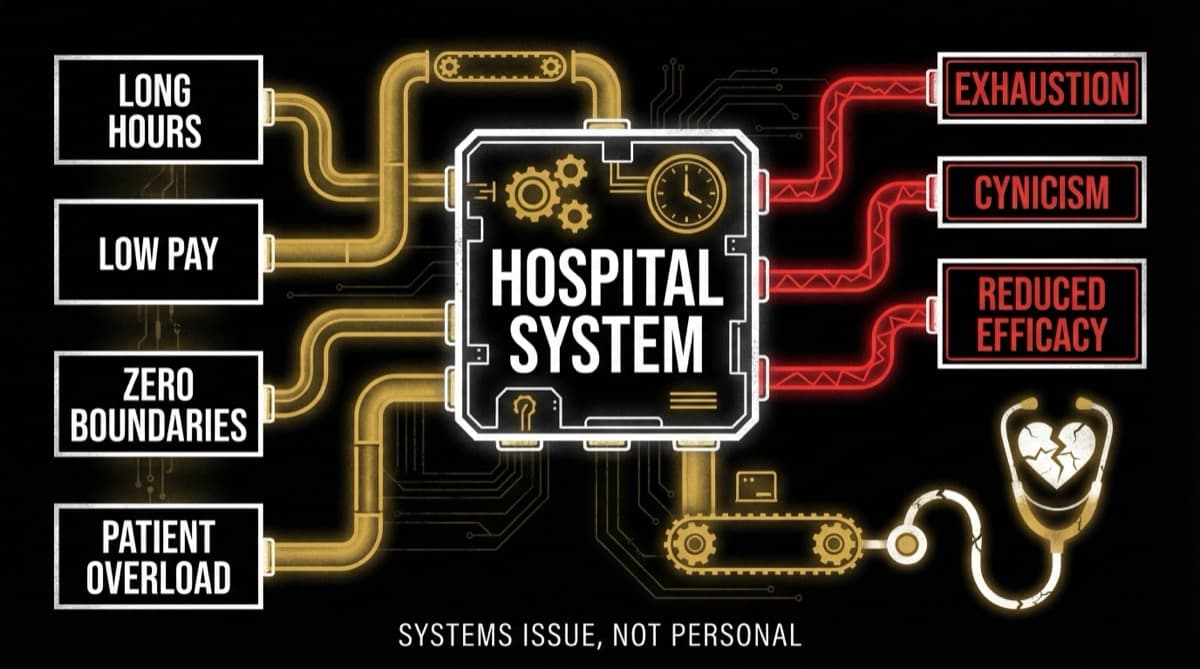
87% of female doctors report mental exhaustion vs 77% male because:
Patient counseling (emotional labor): 15-20 min per consultation, 70% borne by female doctors. Follow-up calls to patients: 20-30 min/day, 75% borne by female doctors. Administrative work (not billed): 1-2 hours/day, 70% borne by female doctors.
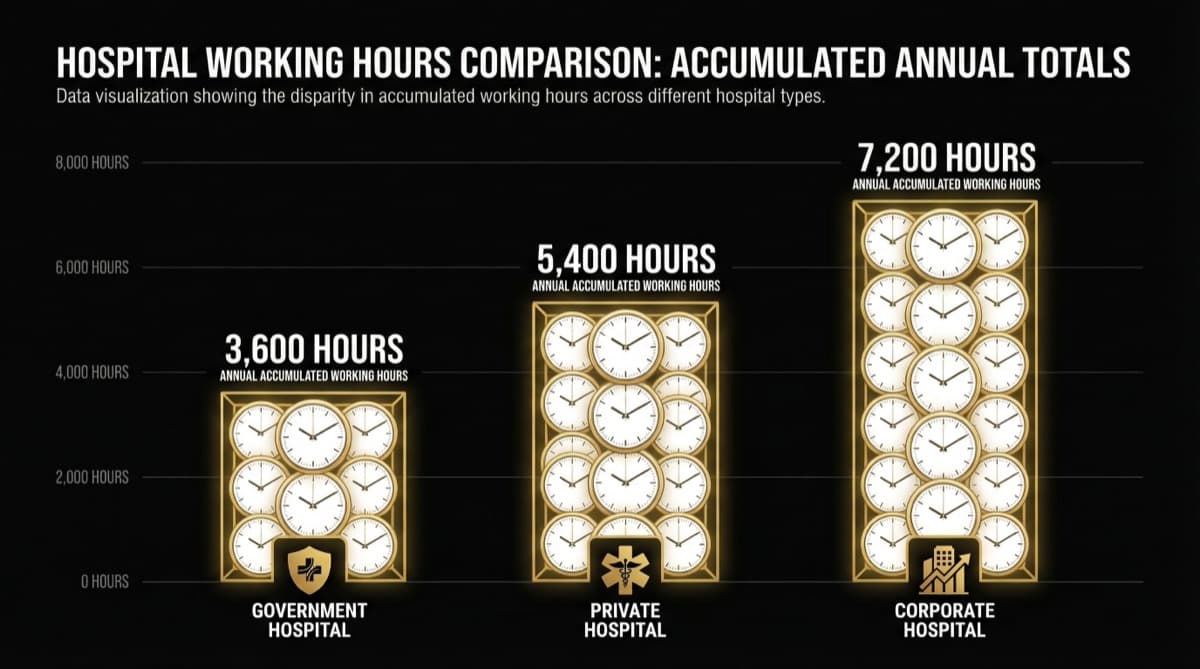
Female doctors work 12-15% more hours for the same fee. Patients expect female doctors to be more thorough, more emotional, more available. This expectation is unbilled.
Q.What Is the Career Break Penalty?
6-month maternity break: Rs 2.5L current year loss, Rs 4-6L permanent loss (referral network atrophy). 2-year break (young child): Rs 8L current year loss, Rs 15-25L permanent loss (practice restart required). 3-year break (second child): Rs 12L current year loss, Rs 25-40L permanent loss.
Male doctor goes on break: "He's resting, we wait." Female doctor goes on break: "She's back to homemaker status, maybe call someone else."
Need help with this?
Our team specializes in healthcare branding. Get personalized advice in a free 15-minute call.
Book a free 15-minute callQ.What Is the Structural Reality?
The 30-40% pay gap for female doctors is real. Here's the breakdown:
60% of the gap comes from specialty sorting (women in lower-paid specialties). 20% of the gap comes from practice ownership (women in employee roles). 15% of the gap comes from unbilled emotional labor. 5% of the gap comes from actual discrimination.
What actually needs to change: Specialty income should reflect patient volume, not historical prestige. Clinic capital access should be gender-neutral. Unbilled emotional labor should be recognized and compensated. Career breaks should not permanently damage referral networks.
Until then, the 30-40% gap persists — not because female doctors are worth less, but because the system values what they do differently.
futurise. builds premium healthcare brands in 48 hours. Learn more at futurise.studio